Visibility monitoring
Continuous tracking of citation coverage, share of answer and brand representation across AI platforms, instead of periodic manual checks.
AI automation, applied to search
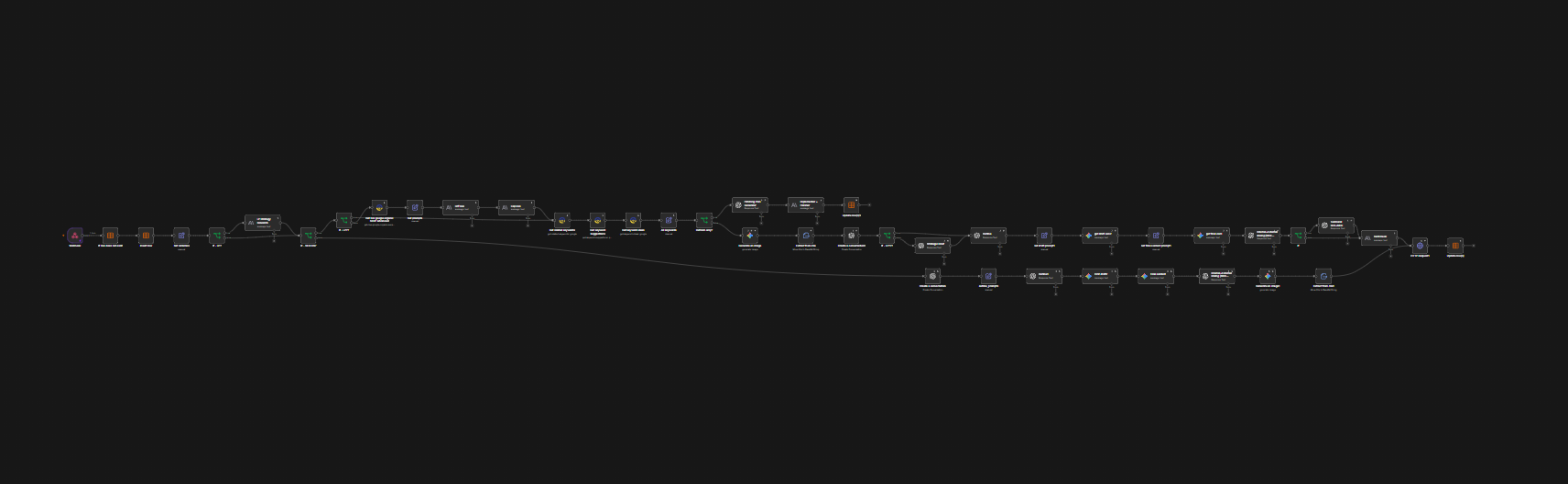
The goal is not more AI output. It is a connected loop that captures buyer signals, maps answer patterns, turns evidence gaps into action, then rechecks what changed.
100% REFUND GUARANTEEMiss the agreed result by the agreed date. Get every fee back.↓The problem this solves
Semrush's 2026 AI Visibility Index found that only 9% of marketing leaders have the tools to track their brand's visibility across every relevant AI platform. Manually monitoring citation coverage, buyer-question gaps and competitor representation across multiple AI engines isn't a sustainable workload for most in-house teams.
03 / A clearer category
We automate repeatable signal, research and reporting work. Positioning, evidence standards, truth claims and public-facing changes remain founder-owned because volume is not a decision.
AI content volumeMore output treated as the goal
citation.ly automation→Better research, evidence and decision cadence
AI content volumeUnowned agent output
citation.ly automation→Named decision gates for claims, priorities and publication
AI content volumeDisconnected tools and reports
citation.ly automation→A connected workflow from buyer question to measurement
AI content volumeAutomation used to replace expertise
citation.ly automation→Automation used to give expertise more useful coverage
Where we apply automation
Continuous tracking of citation coverage, share of answer and brand representation across AI platforms, instead of periodic manual checks.
Automated buyer-question, competitor and cited-source discovery that becomes a prioritised action queue — not unedited output.
Connecting visibility data to consideration and commercial indicators without manual spreadsheet work.
Positioning, evidence standards, truth claims and publication approval stay with your team. The workflow can surface a pattern; it cannot decide what your brand should claim.
What the system makes tangible
The workflow carries a signal through research, evidence and action so each recheck informs the next priority — not a retrospective report.
Buyer questions, market evidence, site signals and representation observations enter one working system.
A named founder checks the evidence, claim and commercial priority before anything changes publicly.
Visibility and citation changes feed the next research and action queue.
05 / Systems in practice
We build self-reinforcing workflows that turn buyer-question signals into source-backed action briefs, then recheck what changed across answer surfaces. Founders approve claims, priorities and public-facing changes.
06 / Proof before promises
Selected results show the commercial work and evidence standard behind the systems we build.
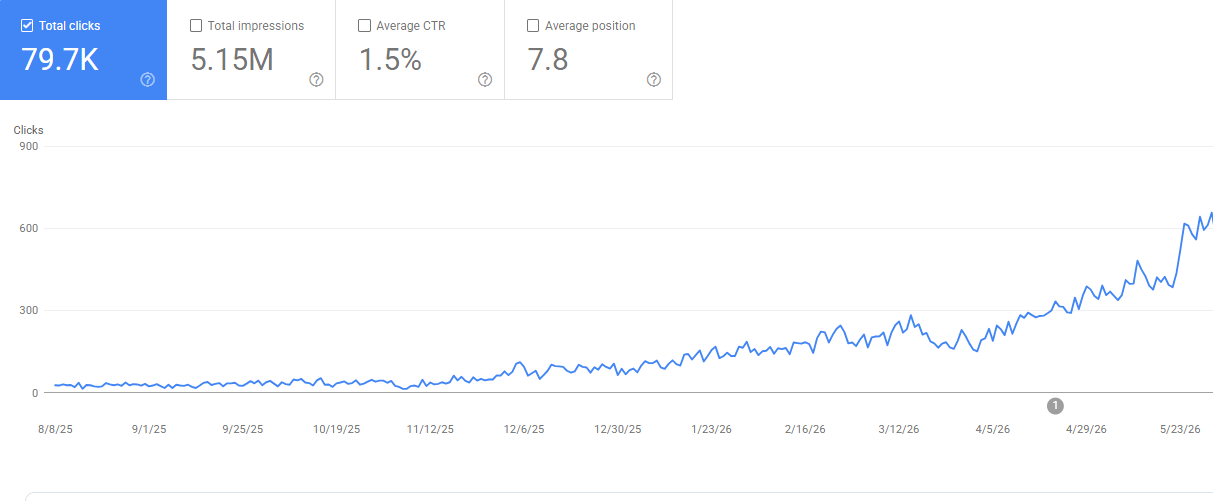
3,760 → 15,378 clicks per month
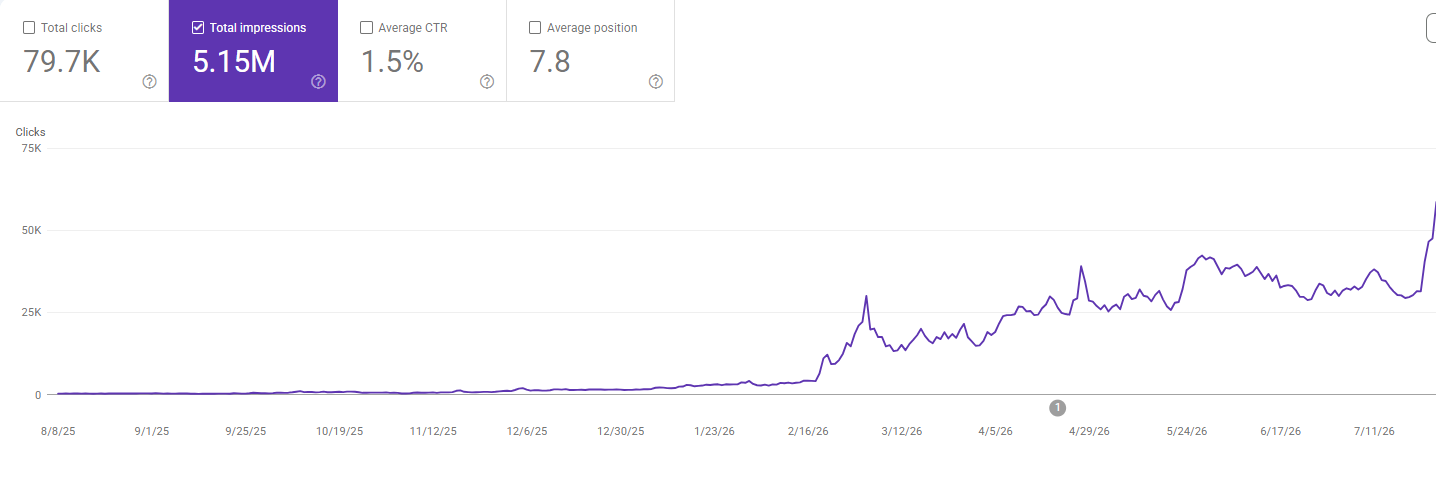
79,710 → 1.07M impressions per month
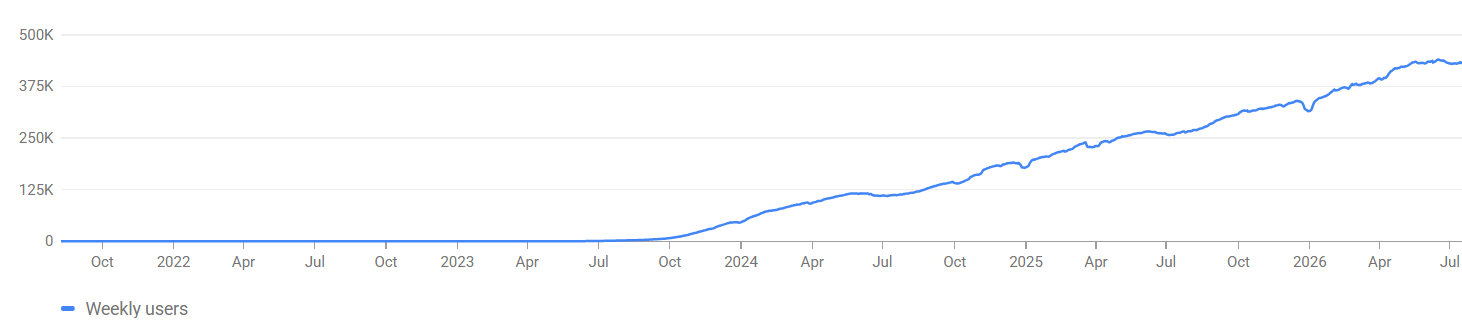
0 → 430,000+
07 / Operator-led terms
Dhanur Sehgal and Chandan Chaudhary lead the diagnosis, strategy and critical reviews. Before work begins, we put the result, baseline, evidence source, timeframe and shared responsibilities in writing.
08 / A good fit is specific
This is for teams with recurring research, content, monitoring and reporting work that would become more useful if the right data and decisions moved through one accountable workflow.
Questions before we start
Repeatable discovery, monitoring and reporting work can be systematised. Positioning, truth claims, strategic trade-offs and final public-facing judgment remain human decisions.
No. We start with the data and operating constraints you actually have, then identify the first useful loop. The point is to make the next decision better, not create infrastructure for its own sake.
No. It is the operating layer that helps those disciplines learn and execute with more consistency. The underlying discovery, information and authority work is still essential.
Every workflow names its inputs, evidence requirements, claim approvals and recheck measures. It can surface a pattern; it cannot decide what your brand claims or publishes.
The next useful step
We'll flag where manual monitoring or reporting is limiting your visibility as part of the benchmark.
Plan your first automation loopOperator-led work, a visible baseline and a defined next decision — before any engagement begins.