Technical SEO
Crawlability, indexation, site architecture and Core Web Vitals fixed so search engines and AI systems can access and understand your content.
SEO for B2B SaaS
When AI Overviews compress the research journey, ranking alone is not enough. We make sure the technical, content and authority signals behind category discovery can still earn the right buyer's attention and connect that attention to pipeline.
100% REFUND GUARANTEEMiss the agreed result by the agreed date. Get every fee back.↓The problem this solves
Many SaaS companies maintain decent organic rankings while watching qualified traffic and demo requests decline. Ahrefs' 2026 analysis found AI Overviews have cut click-through rates for top-ranking content by as much as 58%, up from roughly 35% the year before — rankings alone no longer guarantee a click.
03 / A clearer category
We start with the buyer questions and commercial gaps that matter, then connect technical eligibility, information quality and authority to a measurable decision path.
Keyword-led SEO scopeKeyword lists and output targets
citation.ly SEO→Priority category, comparison and conversion questions
Keyword-led SEO scopeRank position treated as the result
citation.ly SEO→Discovery, consideration and pipeline signals connected
Keyword-led SEO scopeA technical audit left in a document
citation.ly SEO→Technical, content and authority decisions sequenced into work
Keyword-led SEO scopeOwned-site optimisation only
citation.ly SEO→Entity and authority signals considered across the information environment
What's included
Crawlability, indexation, site architecture and Core Web Vitals fixed so search engines and AI systems can access and understand your content.
Topic and category coverage structured around real buyer questions, not keyword lists.
First-party expertise and third-party validation that build the trust signals both Google and AI systems rely on.
Consistent, accurate signals about who you are, what you do and who you serve, across your site and beyond it.
What becomes measurable
We begin with the current search condition, name the signal that should change, and keep the next investment tied to evidence rather than a monthly activity list.
Technical access, buyer-question coverage, organic discovery and high-intent conversion paths.
Qualified discovery, comparison visibility, branded demand and assisted conversion behaviour.
What to fix, publish or strengthen next based on the gap with the clearest commercial case.
06 / Proof before promises
Selected results show the commercial work and evidence standard behind the systems we build.
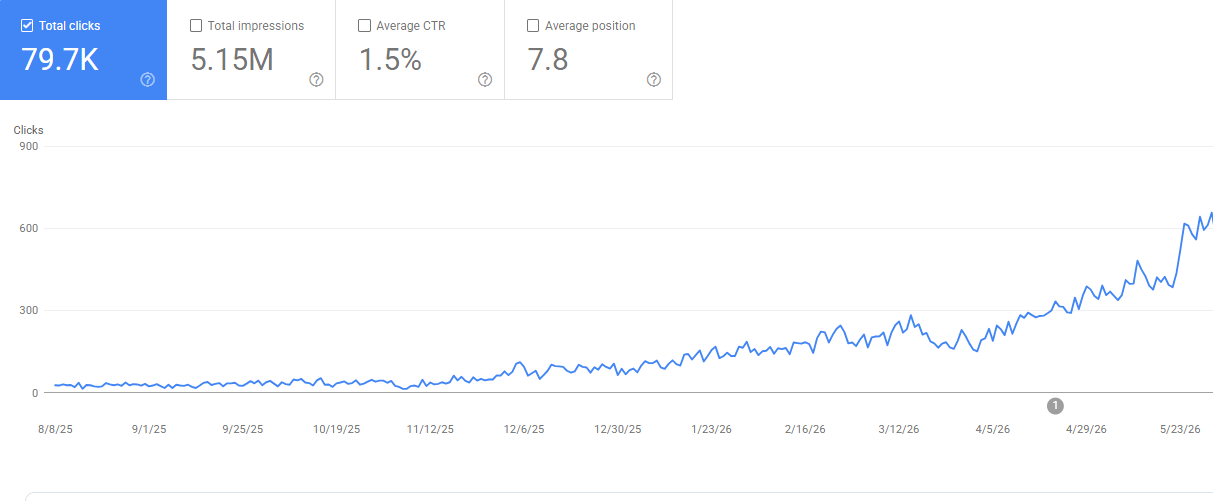
3,760 → 15,378 clicks per month
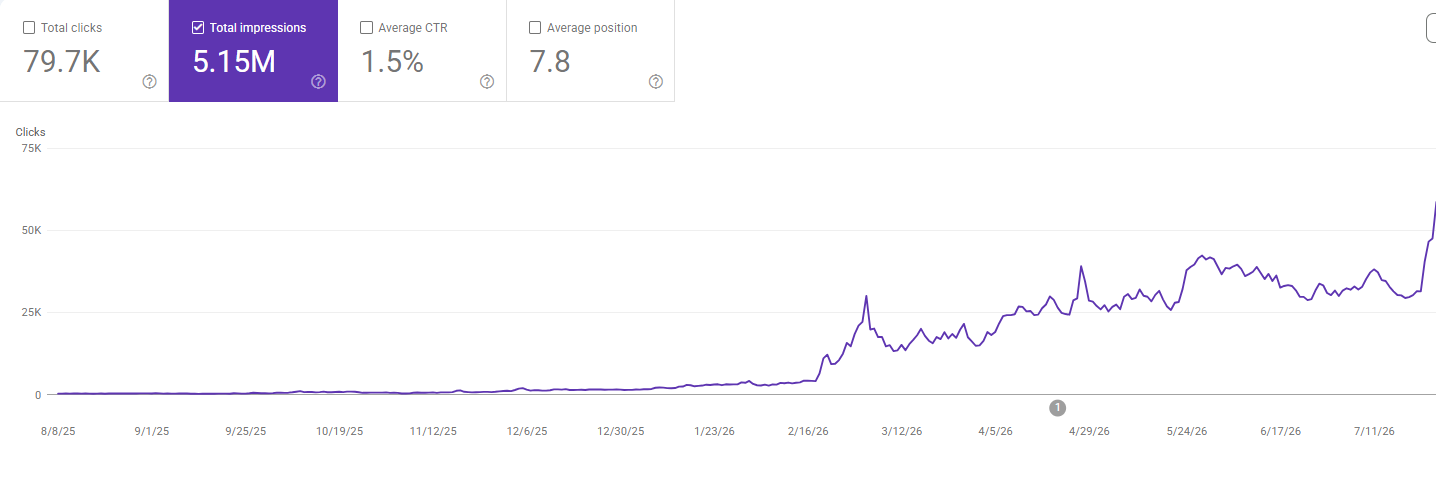
79,710 → 1.07M impressions per month
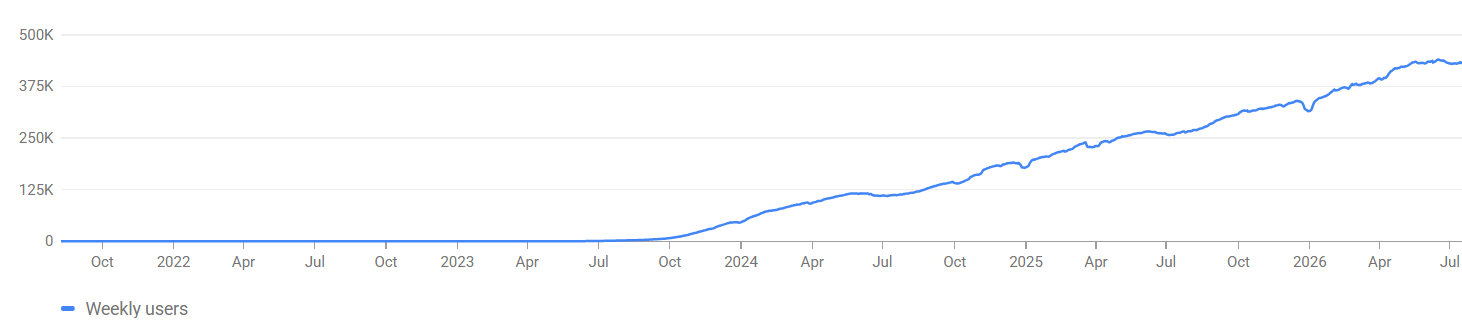
0 → 430,000+
07 / Operator-led terms
Dhanur Sehgal and Chandan Chaudhary lead the diagnosis, strategy and critical reviews. Before work begins, we put the result, baseline, evidence source, timeframe and shared responsibilities in writing.
08 / A good fit is specific
This is for a B2B SaaS team with a real product, a research-led buyer journey and enough data to turn organic learning into a better commercial decision.
Questions before we start
Yes. AI search still relies on the information, quality and authority systems that make a brand eligible to be found. SEO is the foundation, not a separate legacy channel.
Access to the people, product context and performance data that make the baseline credible. We do the diagnostic and strategic work; the strongest decisions are made with your subject-matter and commercial input.
Before work begins, we agree on the starting point, evidence source, timeframe and next decision the work should support. Activity alone is not treated as progress.
Before execution, we agree the result, evidence source, timeframe and shared responsibilities in writing. If we miss the agreed result by the agreed date, we refund 100% of the fees paid.
The next useful step
We'll review your technical foundation, content coverage and current organic performance as part of your benchmark.
Get your SEO benchmarkOperator-led work, a visible baseline and a defined next decision — before any engagement begins.