Entity and positioning clarity
Consistent, accurate signals about your category, audience and differentiation, so AI systems don't have to guess.
Generative engine optimization (GEO)
When an AI answer shapes a buyer's first shortlist, your brand needs more than a mention. We strengthen the evidence that helps systems understand what you do, when you fit and why a buyer should keep considering you.
100% REFUND GUARANTEEMiss the agreed result by the agreed date. Get every fee back.↓Why this matters now
G2's 2026 research found that 69% of B2B software buyers ended up choosing a different vendor than they originally planned, based on AI chatbot guidance, and a third bought from a brand they'd never heard of before. If AI systems don't represent you accurately, you may be losing shortlist consideration you never see.
Source: G2, The Answer Economy report, March 2026 (n=1,076) ↗
03 / A clearer category
A list of AI mentions cannot tell you whether the right buyer understands your category, fit and distinction. We work on the information environment that makes accurate representation more likely.
Mention-only GEOPrompt checks counted as the outcome
citation.ly GEO→Representation, source coverage and buyer-question gaps reviewed together
Mention-only GEOA platform-specific tactic
citation.ly GEO→One evidence system across owned, third-party and search surfaces
Mention-only GEOMore mentions, regardless of accuracy
citation.ly GEO→Clearer category, audience and differentiation signals
Mention-only GEOA dashboard without a commercial path
citation.ly GEO→Visibility tied to shortlist consideration and high-intent behaviour
What's included
Consistent, accurate signals about your category, audience and differentiation, so AI systems don't have to guess.
Strengthening the review platforms, comparison sites and industry sources that generative AI models draw on.
Structuring evidence-backed, original content that gives AI systems something specific and credible to cite.
Tracking how AI platforms currently describe you, so inaccuracies can be identified and addressed.
What becomes visible
We make the starting description, the relevant buyer questions and the credible source environment visible so accuracy can guide the next decision rather than become a vague score.
How important AI surfaces currently describe your category, fit, competitors and differentiators.
Which buyer questions, first-party claims and third-party sources leave AI systems with an incomplete picture.
What to clarify, validate or publish next to strengthen accurate shortlist consideration.
06 / Proof before promises
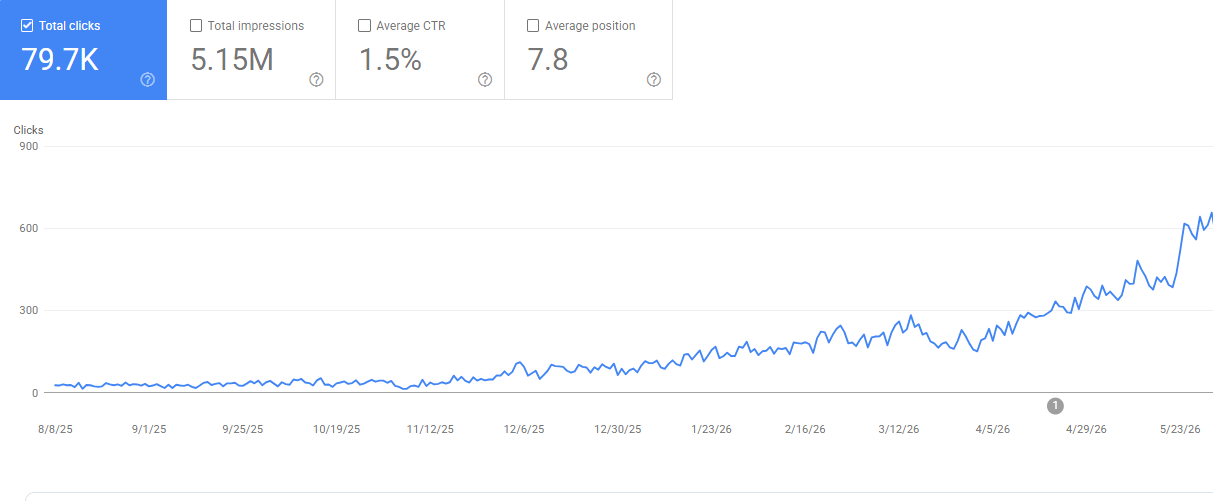
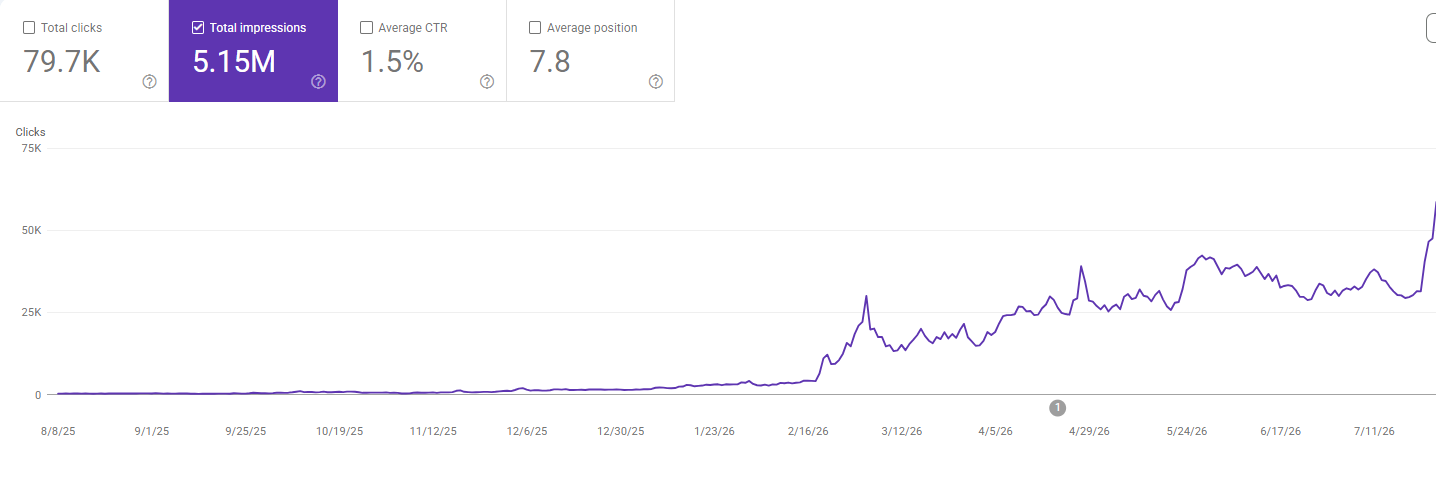
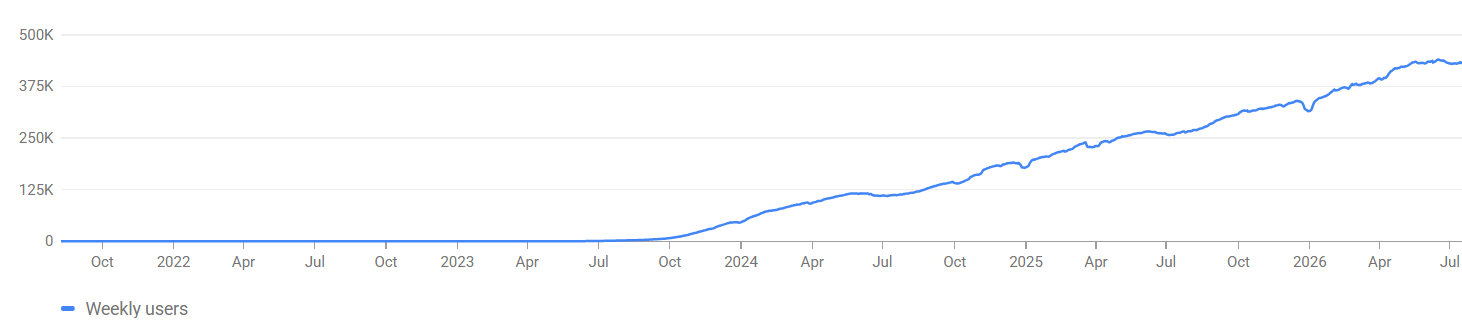
Selected results show the commercial work and evidence standard behind the systems we build.
3,760 → 15,378 clicks per month
79,710 → 1.07M impressions per month
0 → 430,000+
07 / Operator-led terms
Dhanur Sehgal and Chandan Chaudhary lead the diagnosis, strategy and critical reviews. Before work begins, we put the result, baseline, evidence source, timeframe and shared responsibilities in writing.
08 / A good fit is specific
GEO is most useful for a B2B company with a real category, a meaningful difference and a research journey where AI answers can shape early consideration.
Questions before we start
We strengthen the information, credibility and retrieval signals that help your brand be discovered and represented accurately. The work begins with agreed buyer questions, evidence sources and surfaces, so it is aimed at a measurable representation outcome.
The right set depends on where your buyers research. We start with the surfaces and buyer questions that matter commercially instead of treating every prompt as equally valuable.
We trace the likely information gap: positioning, source coverage, evidence, content or third-party validation. Then we prioritise the change that creates the strongest case for more accurate representation.
GEO is built on the same information and authority foundations. SEO makes your content and entities eligible to be found; GEO strengthens how that evidence is understood once it is retrieved.
The next useful step
Your benchmark includes a review of how your brand currently appears — or doesn't — across major AI platforms.
Get your AI benchmark reportOperator-led work, a visible baseline and a defined next decision — before any engagement begins.